What Is Personal Protective Equipment and What Are The Common Types?
Definition of Personal Protective Equipment
Personal protective equipment refers to specialized equipment and tools designed to protect workers from various potential hazards and injuries in the workplace. It reduces risk and accidents during occupational activities, providing basic safety assurance for employees. PPE is used in a wide range of fields, including industrial manufacturing, construction, chemical processing, firefighting and rescue, and laboratory research, and is a crucial component of workplace safety and occupational health.
The Importance of Personal Protective Equipment
In modern production and service environments, risk management and hazard assessment are fundamental to ensuring workplace safety. By implementing PPE, companies can effectively mitigate the impact of occupational hazards on employee health while complying with relevant safety standards and compliance requirements. PPE not only protects workers from direct harm but also provides practical support for safety training and overall safety management, making it practical for companies to build a safety culture.
Common Hazards and Protection Needs in the Workplace
Different workplaces face varying types of hazards, including chemical exposure, physical impact, dust exposure, noise interference, high or low temperatures, and electrical hazards. Based on hazard assessments, companies can select appropriate PPE to reduce the incidence of occupational health issues. For example, the chemical industry needs to focus on respiratory protection and hand protection, while construction workers prioritize head and foot protection. Through scientific evaluation and appropriate configuration, personal protective equipment can be tailored to enhance workplace safety.
Protective Clothing
Protective clothing is a crucial component of personal protective equipment (PPE), used to protect the body from chemicals, flames, high temperatures, or contaminants. Depending on the application scenario, protective clothing can be categorized as disposable, flame-retardant, anti-static, and chemical protective. The materials and design of protective clothing must comply with occupational health and safety standards to ensure reliable protection in practice. When purchasing protective clothing, companies should consider hazard assessments and work environment conditions before selecting appropriate products.
Respiratory Protection
Respiratory protective equipment is primarily used to protect employees' lungs by preventing harmful gases, dust, or mist from entering the respiratory system. Common types include masks, gas masks, and air-purifying respirators. The selection of respiratory protective equipment should be based on the type, concentration, and duration of pollution in the workplace, while ensuring compliance with safety standards and regulatory requirements. Regular inspection and maintenance of respiratory protective equipment is essential to ensure proper function.
Eye Protection
Eye protection equipment is used to protect the eyes from mechanical splash, chemical splatter, ultraviolet rays, and strong light. Common eye protection equipment includes goggles, face shields, and welding helmets. When selecting eye protection equipment, the specific risks of the work environment should be considered. For example, chemical goggles are preferred in chemical handling areas, while face shields are required for welding. When providing eye protection equipment, companies should integrate safety training and operating procedures to ensure that employees use it correctly.
Hearing Protection
Hearing protection equipment is used to reduce noise damage to the ears and prevent hearing loss or ear diseases caused by long-term exposure to high-decibel levels. Common types include earplugs, earmuffs, and noise-canceling headphones. When selecting hearing protection equipment, it is necessary to conduct a hazard assessment based on the workplace noise level and work duration, and ensure compliance with occupational health and safety standards. Proper wearing and regular maintenance of hearing protection equipment are important measures to ensure employee hearing safety.
Hand Protection
Hand protection equipment is used to protect the hands from mechanical injuries, chemical irritation, exposure to cold or hot environments, or electrical hazards. Common hand protection equipment includes chemical-resistant gloves, cut-resistant gloves, protective gloves, and insulating gloves. When selecting hand protection equipment, companies should evaluate the type of work and the severity of the hazards to ensure that the glove material and design are suitable for the actual work requirements. Furthermore, proper use and regular inspection of hand protection equipment are crucial for ensuring safe operations.
Foot Protection
Foot protection equipment is primarily used to prevent accidents such as crushing injuries, puncture injuries, slips, and burns caused by high temperatures. Common types include safety shoes, anti-slip shoes, anti-static shoes, and insulating shoes. The selection of foot protection equipment should be based on an assessment of the work environment and occupational risks, and should comply with safety standards and compliance requirements. During use, foot protection equipment should be kept in good condition and regularly inspected and maintained to ensure its continued effectiveness.
Head Protection
Head protection equipment is used to protect the head from injuries caused by impacts, falling objects, and electrical hazards. Common equipment includes hard hats, protective helmets, and welding helmets. When configuring head protection equipment, companies should conduct a hazard assessment based on the specific risks in the workplace and select appropriate materials and construction. At the same time, head protection equipment must comply with occupational health and safety standards and be maintained and replaced during daily use to ensure safety.
Safety Training and Equipment Maintenance
The effectiveness of personal protective equipment (PPE) depends not only on the equipment itself but also on its proper use and maintenance by employees. Companies should conduct systematic safety training to familiarize employees with the usage, precautions, and maintenance requirements of various types of PPE. Furthermore, regular equipment inspections and maintenance can ensure that PPE functions effectively at critical moments and enhance workplace safety management.
Compliance and Occupational Health
The design, production, and use of PPE should adhere to relevant occupational health and safety standards to ensure reliable performance and compliance. By establishing a comprehensive safety management system, combined with hazard assessments and risk management measures, companies can effectively reduce the risk of occupational injuries and provide a safer working environment for employees. Furthermore, by continuously monitoring industry standard updates and technological developments, PPE configurations can be optimized.
Summary of Common PPE Types
| Type |
Function Description |
Common Equipment |
Application Scenarios |
| Protective Clothing |
Protects the body from chemicals, flames, high temperatures, and other hazards |
Chemical protective suit, flame-resistant suit, anti-static suit |
Chemical industry, laboratory, welding |
| Respiratory Protection |
Prevents harmful gases, dust, and smoke from entering the respiratory system |
Masks, gas masks, air-purifying respirators |
Chemical industry, pharmaceuticals, dust operations |
| Eye Protection |
Prevents mechanical splashes, chemical splashes, and strong light from causing eye injuries |
Goggles, face shields, welding helmets |
Laboratory, welding, mechanical operations |
| Hearing Protection |
Reduces noise-induced ear damage |
Earplugs, earmuffs, noise-canceling headphones |
Construction, industrial manufacturing |
| Hand Protection |
Prevents mechanical injuries, chemical exposure, temperature or electrical hazards |
Protective gloves, cut-resistant gloves, insulating gloves |
Chemical industry, construction, electrical work |
| Foot Protection |
Prevents crush injuries, punctures, slips, or burns |
Safety shoes, anti-slip shoes, insulating shoes |
Construction, warehousing, industrial sites |
| Head Protection |
Prevents impact injuries, falling objects, electric shock, and other hazards |
Safety helmets, protective helmets, welding helmets |
Construction, electrical work, welding operations |
How to Choose the Right Personal Protective Equipment for a Specific Work Environment?
Understand the Importance of Workplace Safety
Before selecting personal protective equipment (PPE), it's crucial to first understand the importance of workplace safety. Risks vary across workplaces, including mechanical injuries, chemical exposure, high or low temperatures, intense light radiation, and noise. Without appropriate PPE, workers face increased occupational health risks. Jiangsu Senmao Safety Technology Co., Ltd., through its long-standing production and supply of PPE, is deeply aware of the diverse protection needs in different environments. Therefore, during the product design phase, we incorporate hazard assessment, risk management, and the requirements of relevant safety standards to ensure that protective clothing, respiratory protection, eye protection, hearing protection, hand protection, foot protection, and head protection are suitable for different job requirements.
Conducting Systematic Hazard Assessment and Risk Management
Before selecting PPE, a hazard assessment is the first step. This hazard assessment helps identify potential physical, chemical, biological, or environmental risks in the workplace and mitigate potential hazards through risk management measures. For example, metalworking industries may require higher levels of eye and hand protection, while construction sites may require more stringent head and foot protection requirements. Jiangsu Senmao Safety Technology Co., Ltd. recommends that companies integrate occupational health management systems and safety standards when conducting hazard assessments to ensure that the selected PPE not only meets protective performance requirements but also complies with national and international compliance requirements.
Matching safety equipment to hazard types
Different hazards require different safety equipment. For example, chemical laboratory workers require chemical-resistant protective clothing and respiratory protection to prevent chemical leaks from damaging the skin and respiratory tract. Hearing protection is essential for working in noisy environments. For ease of understanding, the following table summarizes common work environments and corresponding PPE selection recommendations:
| Type of Work Environment |
Main Hazard Factors |
Recommended Personal Protective Equipment |
| Construction Site |
Falls from height, impact from objects |
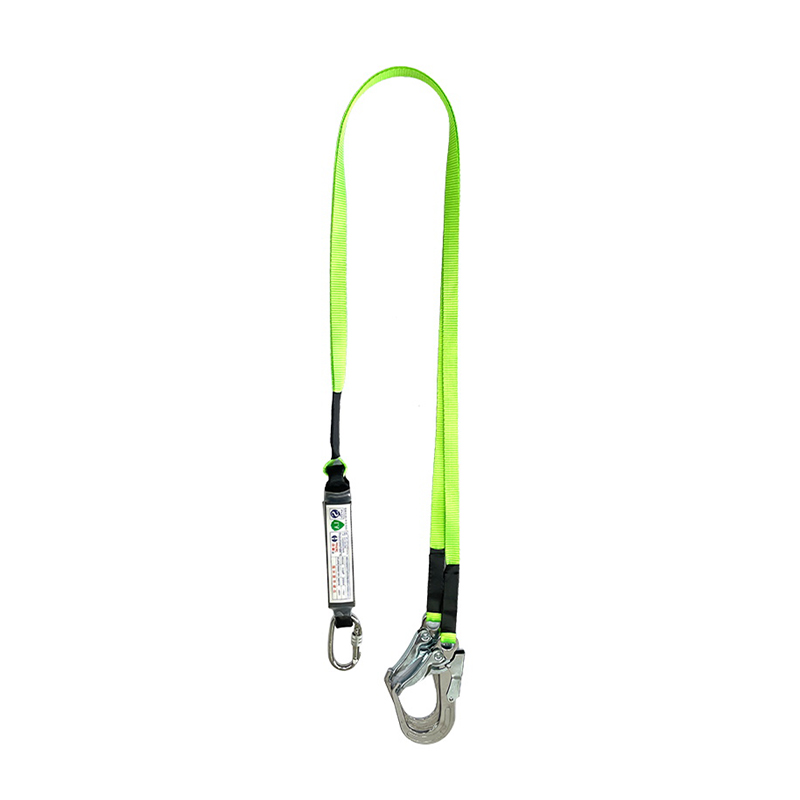
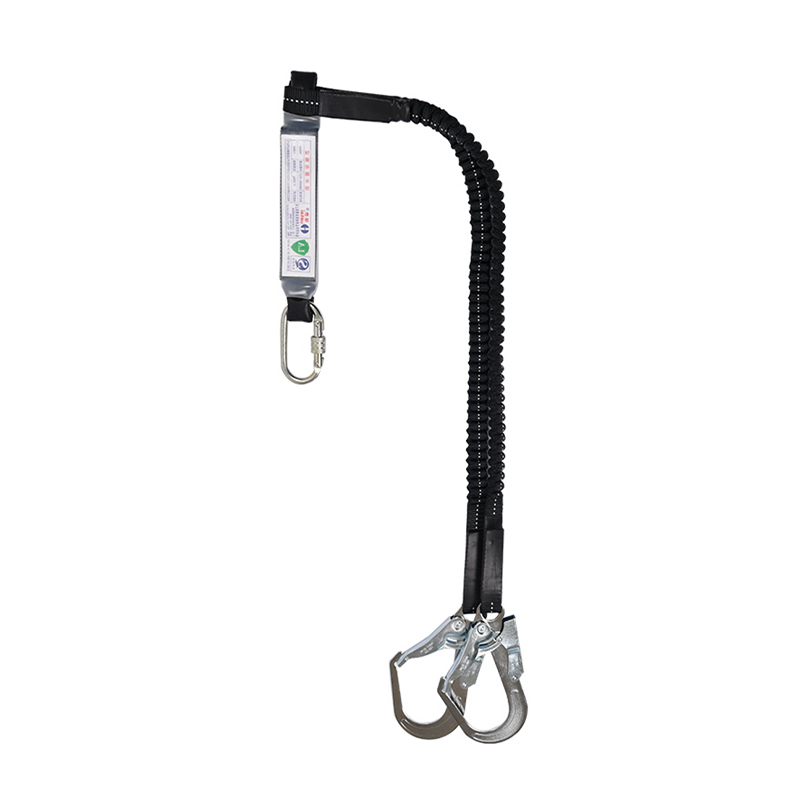
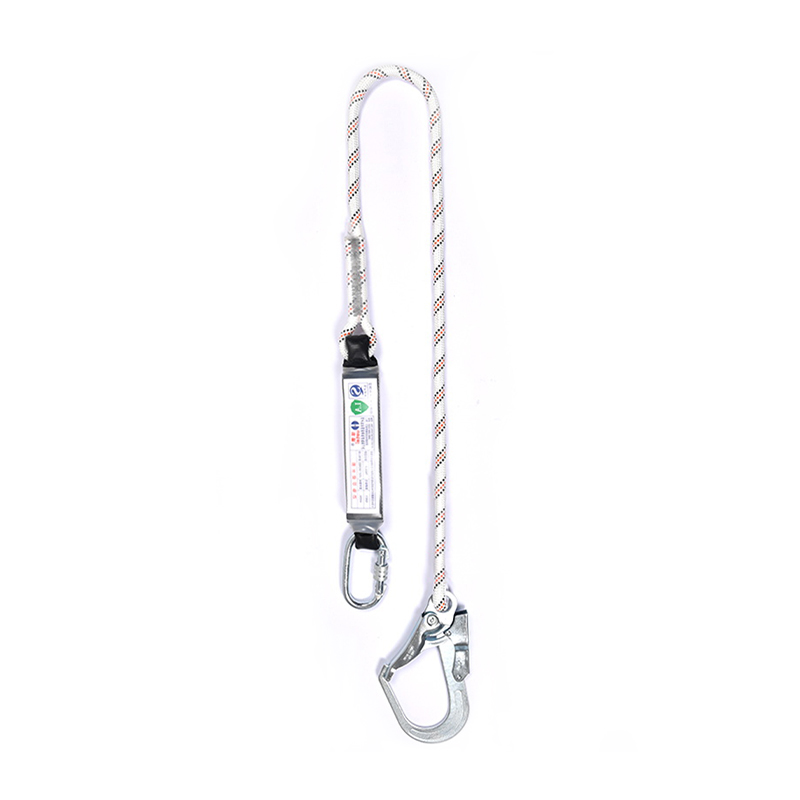
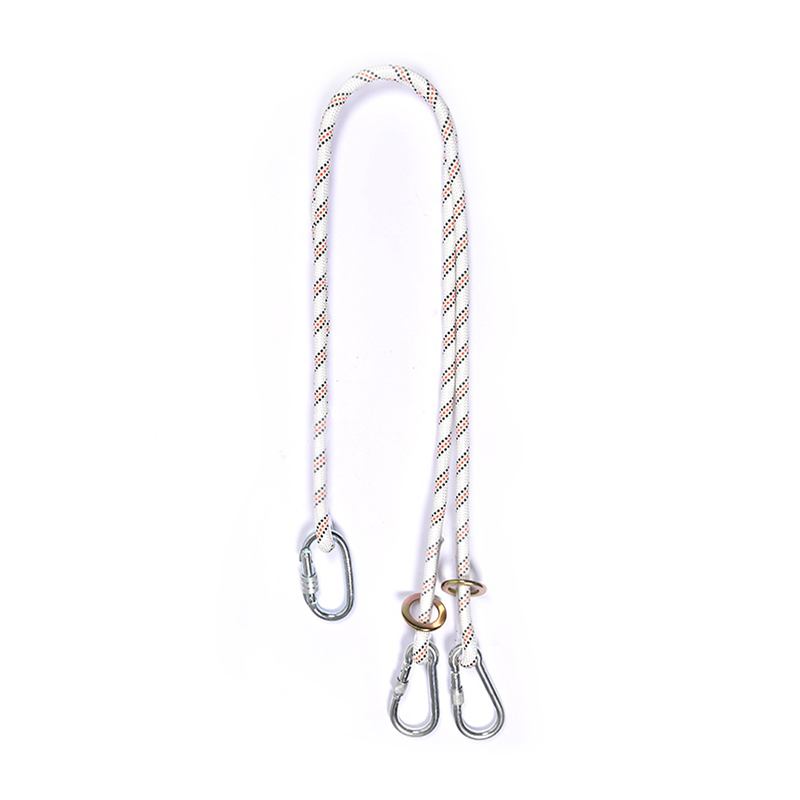
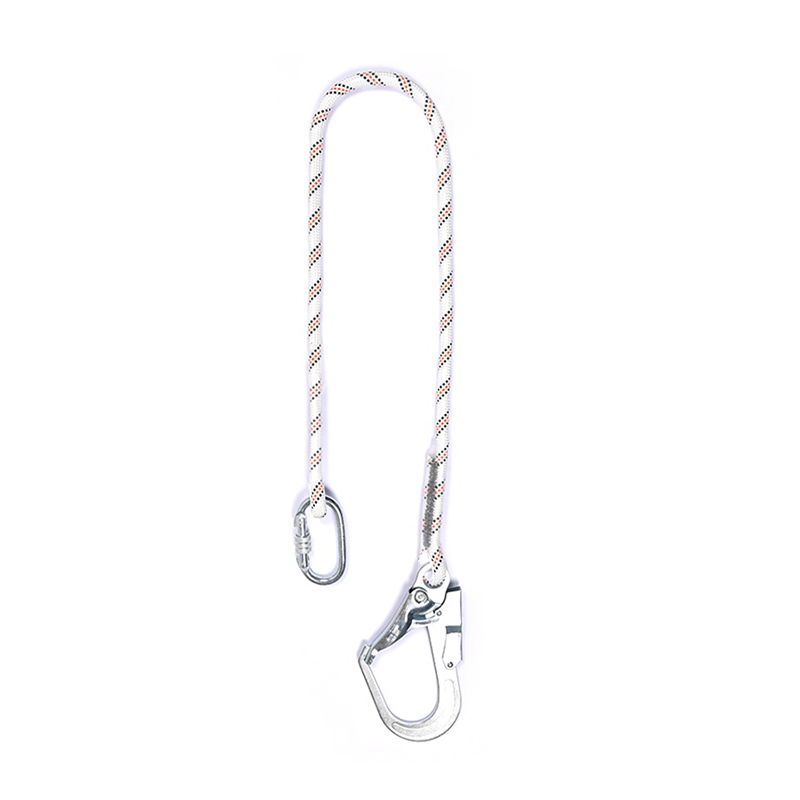
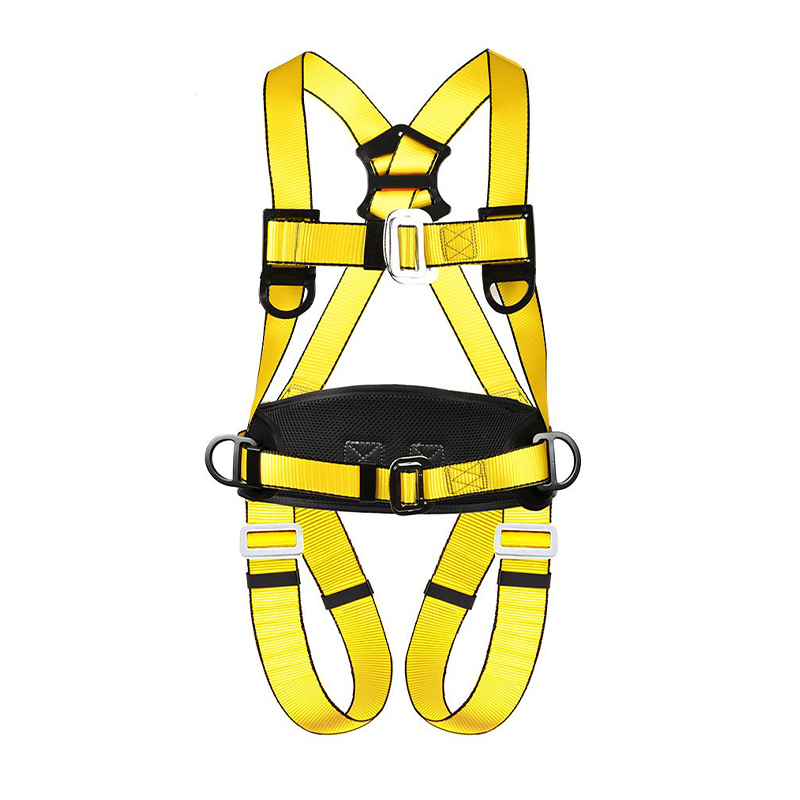
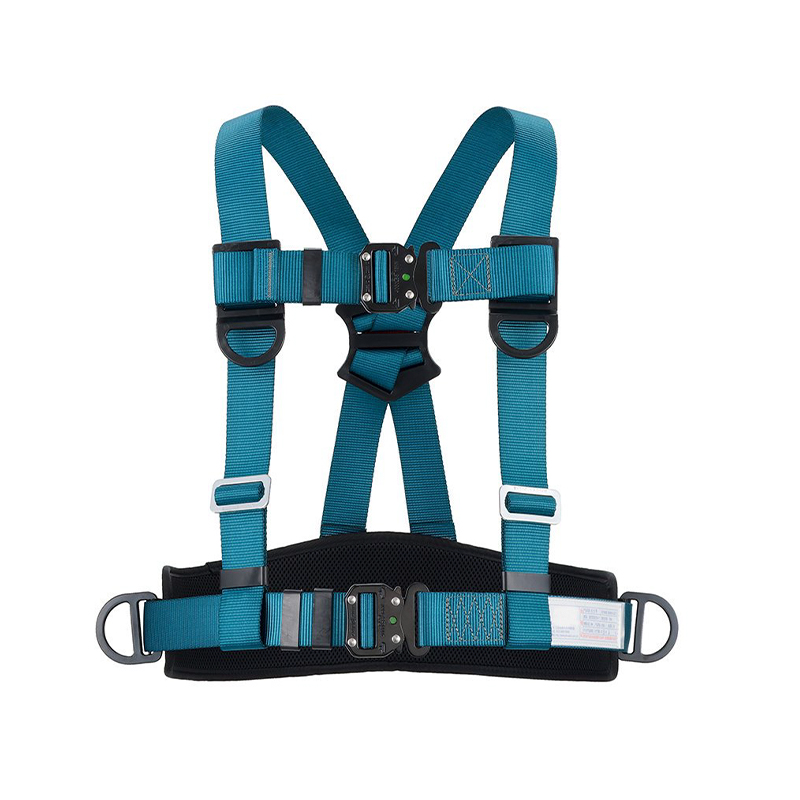
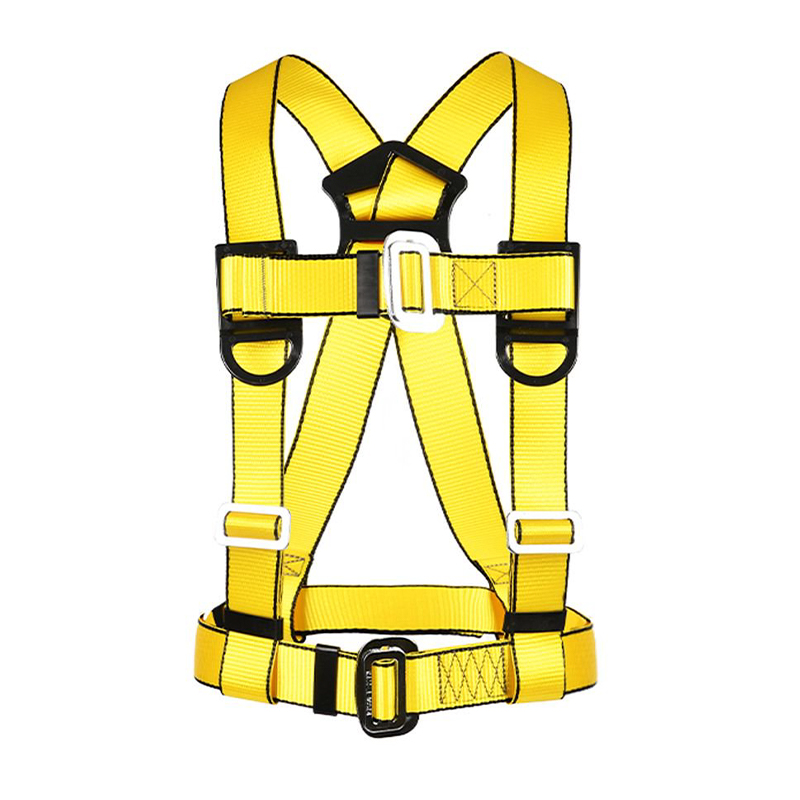
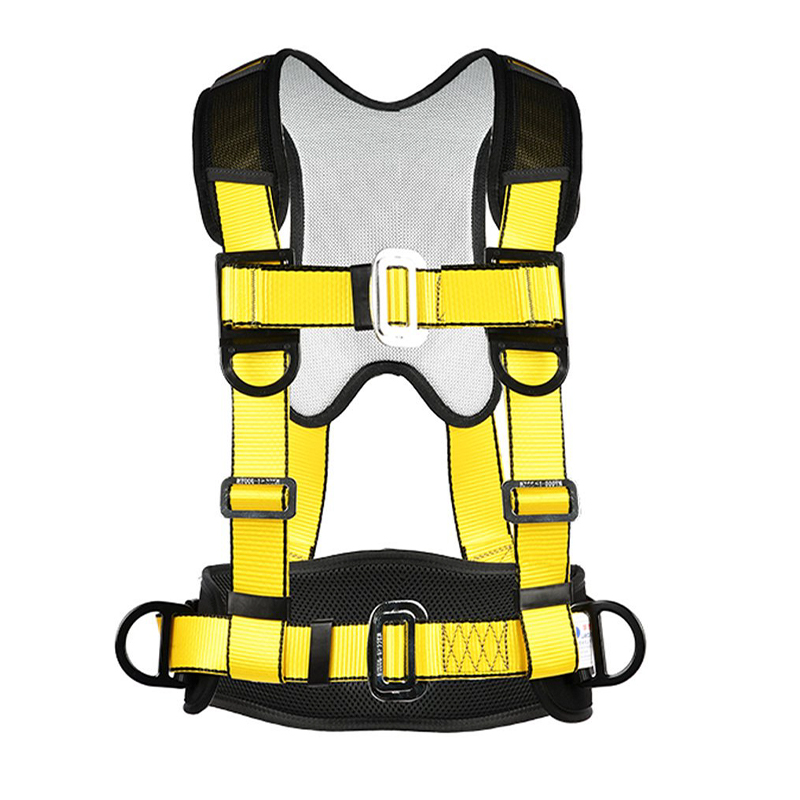
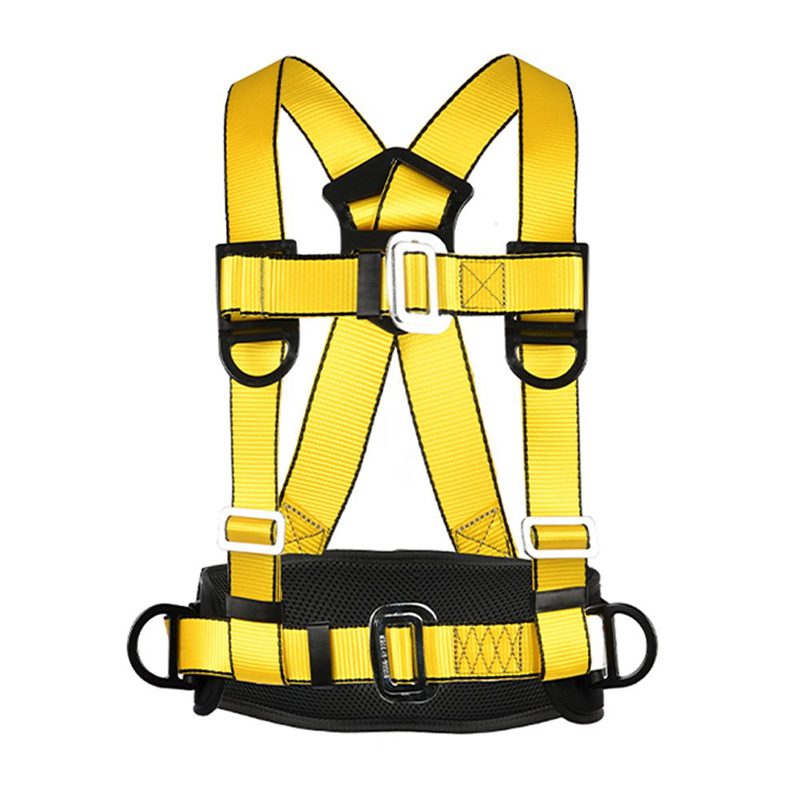
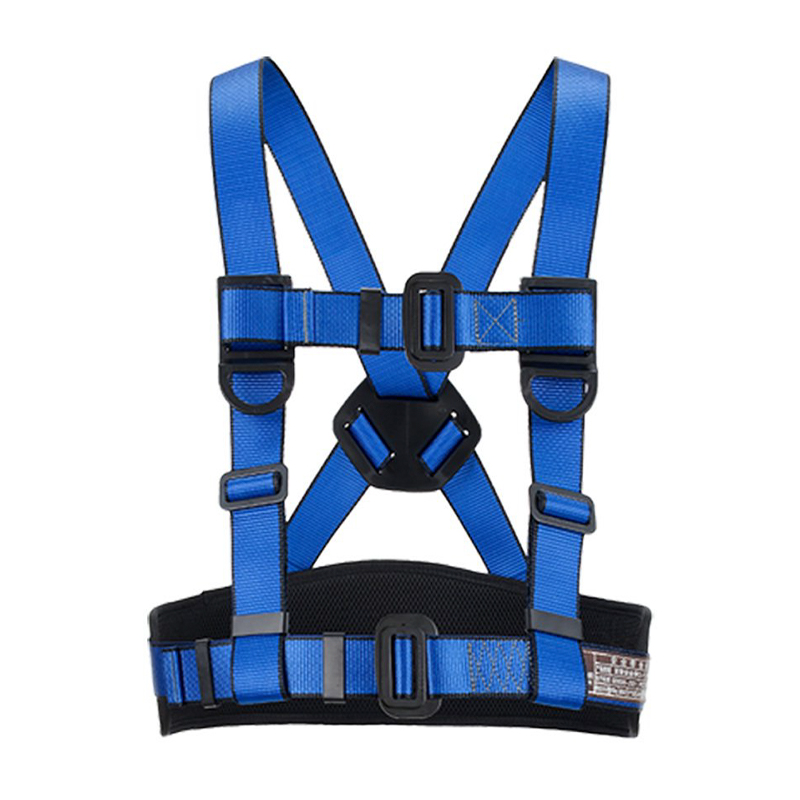
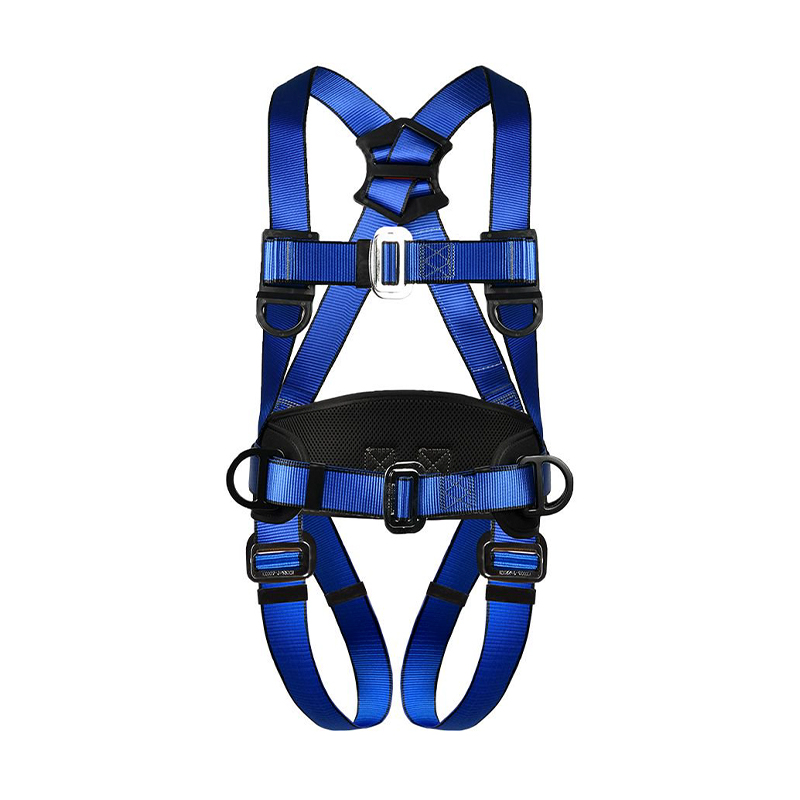
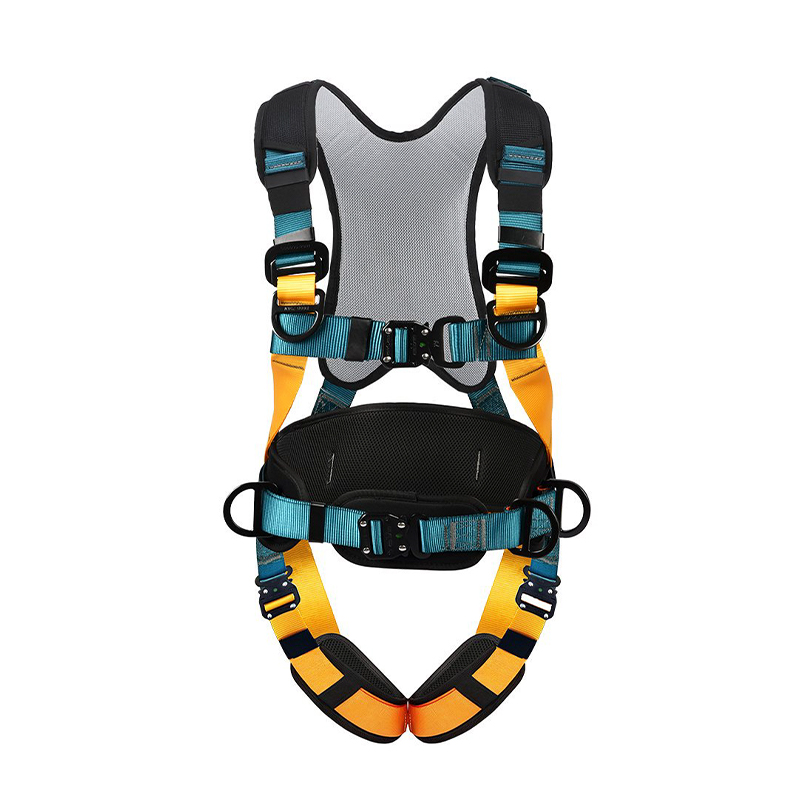
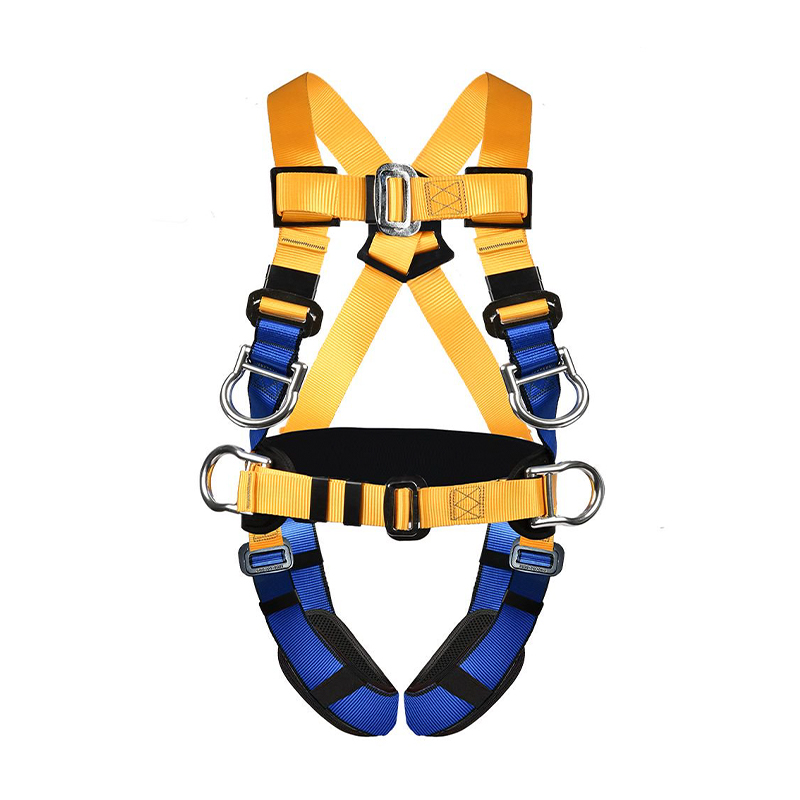
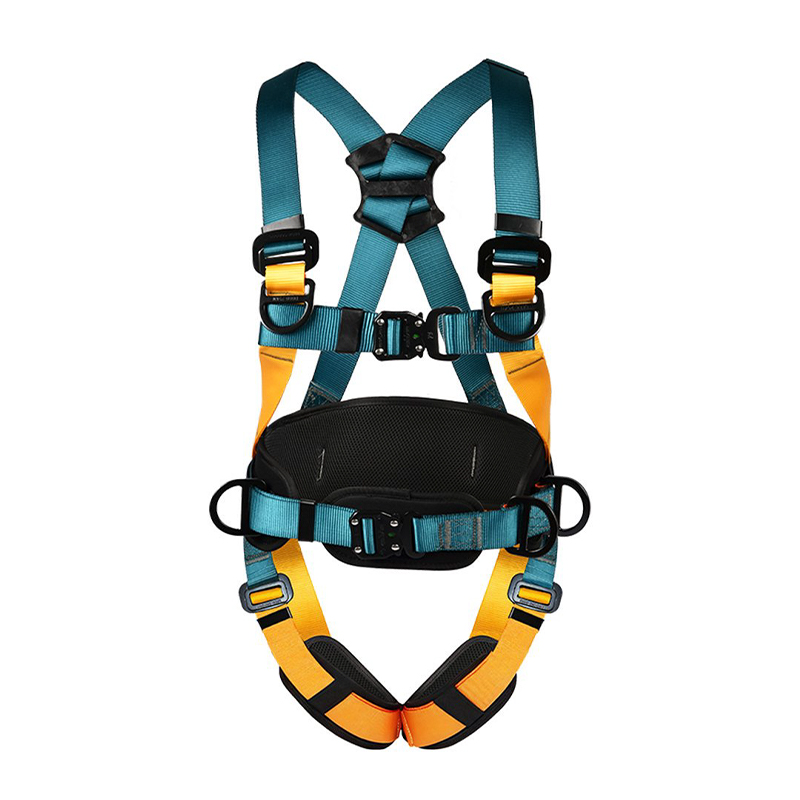
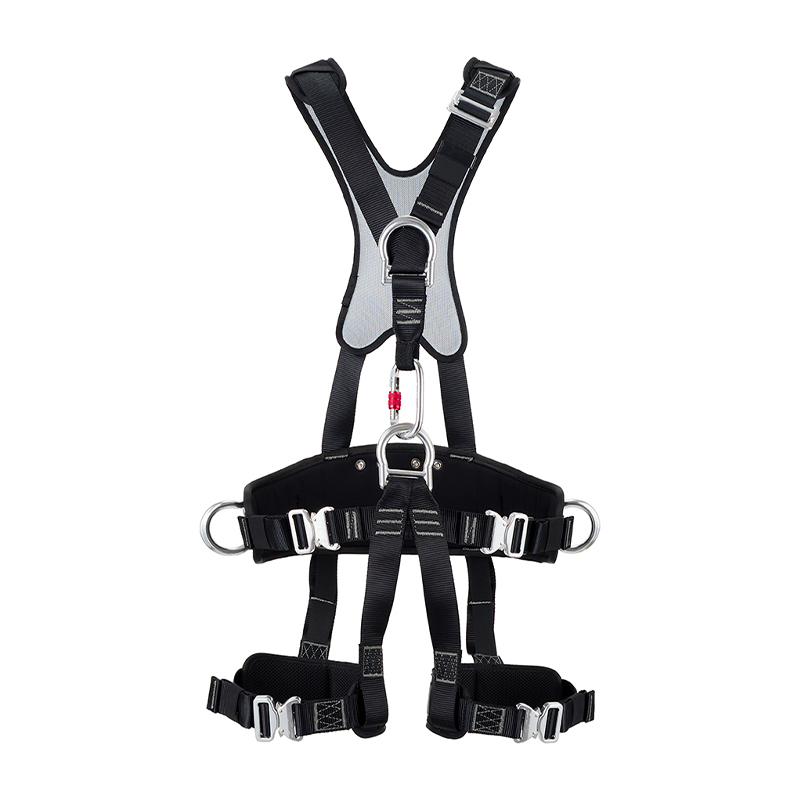
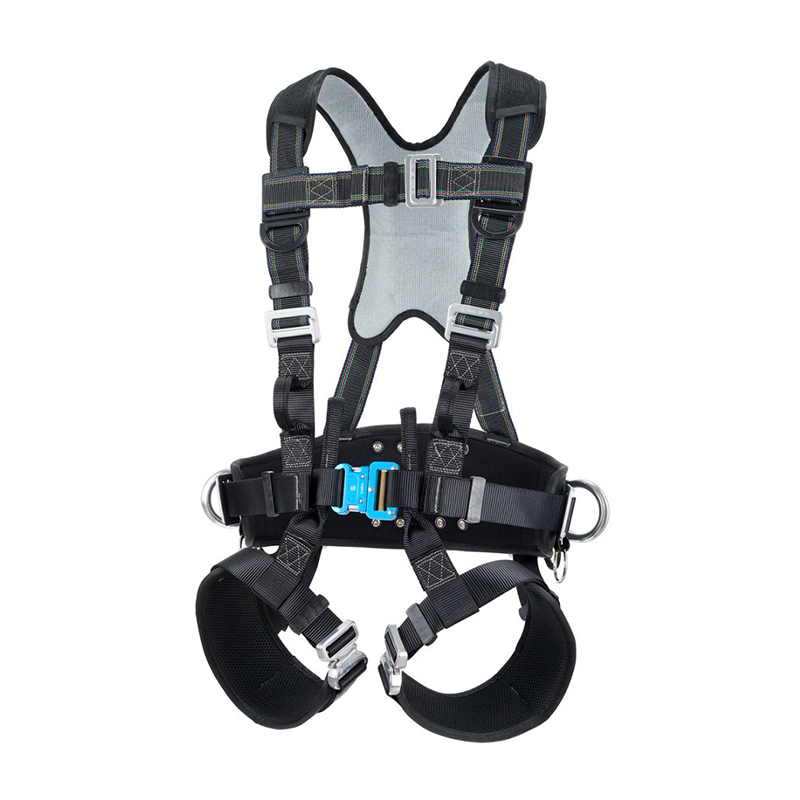
Head protection, safety harness, foot protection |
| Chemical Plant |
Chemical corrosion, harmful gases |
Protective clothing, respiratory protection, eye protection |
| Noisy Workshop |
Prolonged high-decibel noise |
Hearing protection |
| Welding Workshop |
High temperature, strong light, flying debris |
Protective clothing, eye protection, hand protection |
| Food Processing Plant |
Hygiene requirements, low-temperature environment |
Protective clothing, foot protection, non-slip shoes |
Focus on the material and function of protective clothing
Protective clothing is a crucial component of personal protective equipment (PPE). Its material and function directly impact its effectiveness. In high-temperature environments, heat-resistant materials can effectively reduce the harm of heat radiation. In chemical environments, corrosion-resistant materials can reduce the risk of skin contact. Jiangsu Senmao Safety Technology Co., Ltd. uses a variety of functional fabrics to produce protective clothing and strictly adheres to safety standards to meet diverse workplace safety needs. When choosing protective clothing, consider its breathability, abrasion resistance, and ease of cleaning and maintenance. These factors all impact its comfort and longevity during actual work.
Principles for Selecting Respiratory Protective Equipment
In workplaces exposed to dust, hazardous gases, or low-oxygen environments, respiratory protection is a key measure to safeguard employee health. Respiratory protective equipment is categorized into two types: filter-type and barrier-type. The former is suitable for environments with low pollutant concentrations, while the latter is suitable for high-risk or hypoxic environments. Jiangsu Senmao Safety Technology Co., Ltd. designs respiratory protective products based on occupational health regulations and customer needs, offering different levels of protection to ensure effective respiratory protection in various environments.
The Importance of Eye and Hearing Protection
The eyes and hearing organs are extremely vulnerable to damage at work. Splash, strong light, and ultraviolet radiation can all harm the eyes, while continuous high noise levels can cause hearing loss or even permanent damage. When selecting eye protection, consider the lens's impact resistance, anti-fog properties, and UV protection. For hearing protection, choose earplugs or earmuffs based on the noise intensity. Jiangsu Senmao Safety Technology Co., Ltd. offers a wide range of eye and hearing protection products that meet safety standards and meet the safety needs of various workplaces.
Differentiated Needs for Hand and Foot Protection
Hand protection primarily addresses risks such as cuts, chemical corrosion, and high-temperature burns, making the choice of glove material crucial. Foot protection focuses on features such as impact protection, puncture resistance, slip resistance, and insulation. Different job roles require distinct protective features. For example, electricians require insulating safety shoes, while construction workers prioritize impact protection and slip resistance. Leveraging its production capabilities, Jiangsu Senmao Safety Technology Co., Ltd. offers differentiated hand and foot protection solutions for various industries, ensuring that PPE selection, after hazard assessment, precisely matches job requirements.
Combining Head Protection with Safety Training
Head protection equipment, primarily including hard hats and bump caps, can effectively mitigate injuries from falling objects. However, equipment alone is not sufficient to ensure safety; it must be accompanied by safety training to ensure that employees wear and maintain protective equipment correctly. While promoting its products, Jiangsu Senmao Safety Technology Co., Ltd. also emphasizes the importance of safety training and recommends that companies incorporate personal protective equipment (PPE) training into their occupational health management systems to enhance overall workplace safety.
Adhering to Compliance and Safety Standards
Selecting PPE involves more than just technical considerations; it also involves compliance and safety standards. International markets typically require PPE to comply with certifications such as CE, ANSI, and ISO, while the Chinese market has corresponding national GB standards. Compliance not only impacts market access but also directly impacts user safety. Jiangsu Senmao Safety Technology Co., Ltd. strictly implements standardized processes during production to ensure its products meet regulatory requirements in various markets.
Equipment Maintenance and Replacement Cycle Management
Even high-quality PPE requires regular maintenance and replacement to maintain its effectiveness. Maintenance includes cleaning, inspection, and storage, while the replacement cycle depends on frequency of use, work environment, and product type. The following table provides reference replacement cycles for some PPE:
| Type of Protective Equipment |
Recommended Replacement Cycle |
| Safety Helmet |
2–5 years (depending on usage conditions) |
| Protective Gloves |
1 week–3 months (depending on wear and tear) |
| Protective Clothing |
6 months–1 year (depending on washing and usage frequency) |
| Respiratory Protective Mask |
Filter replacement every 1–3 months |
| Hearing Protection Earplugs |
Replace every 1–3 months |